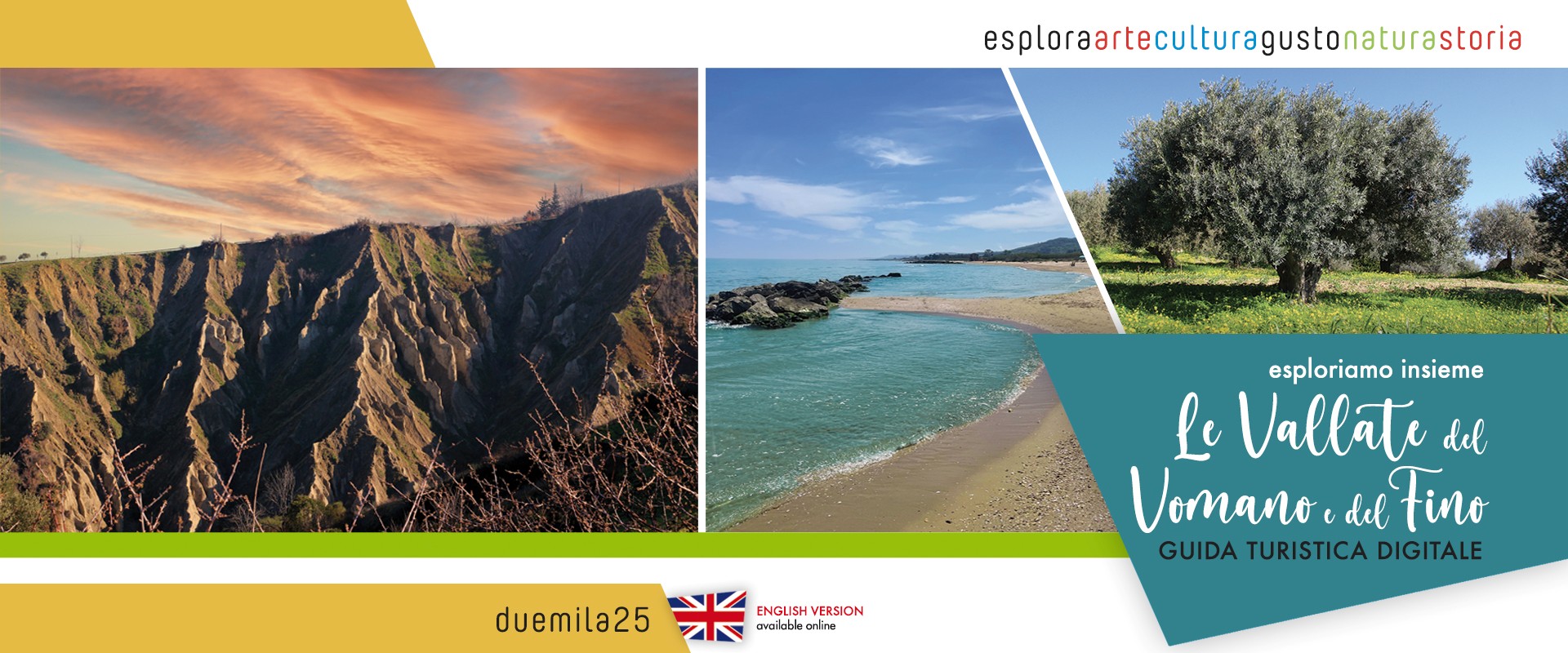

 Pineto, una delle più suggestive località della costa adriatica abruzzese, è rinomata per la qualità delle sue acque e per la bellezza del paesaggio che la circonda. Immersa nel verde di una fitta vegetazione di Pinus Pinea e di Pino d’Aleppo, la pineta venne piantumata nei primi anni del ‘900, come geniale intuizione di un ecologo ante litteram Corrado Luigi Filiani che divenne l’autore di uno straordinario progetto dal valore paesaggistico ed ambientale che ha segnato il contesto urbanistico della futura Pineto.
Al centro della città troviamo la Villa Filiani, punto nevralgico della storia cittadina e antica dimora dei baroni Filiani. La villa fu costruita nel 1844 da Giacinto Filiani come residenza estiva di famiglia. Nel 1863 il barone, concesse i suoi terreni per la realizzazione dell’allora ferrovia, a condizione che ci fosse una stazione di sosta proprio di fronte la villa. Successivamente furono costruiti anche altri edifici con attività di commercio come una rivendita di sali e tabacchi, una locanda, ed infine un ufficio postale ed una scuola elementare, nacque così il nucleo del centro storico: ‘Villa Filiani – Frazione di Mutignano’.
 La struttura architettonica della Villa Filiani, ricorda le ville di campagna, con al centro una doppia scalinata esterna e un’altana principale. Il piano superiore conduce alla sala più importante, nota come sala Corneli dal soffitto affrescato con scene galanti e paesaggi che riproducono l’alternarsi delle stagioni. Alcuni ambienti del secondo piano venivano utilizzati, fino ai primi anni ‘50 del Novecento, per la bachicoltura, principale fonte di reddito dell’economia locale. Non a caso nel giardino della villa e nelle vicinanze, sono ancora presenti alberi di gelso a testimonianza di questa importante fonte di reddito del passato. Oggi la villa è di proprietà del Comune che ne ha curato il restauro nel 2005 ed ospita durante tutto l’anno, mostre, convegni, concerti e numerose manifestazioni. Un’ala della villa è sede del Centro Etnomusicologico d’Abruzzo, un punto di riferimento regionale per il recupero, conservazione e promozione della musica di tradizione orale abruzzese.
Nella piazza principale di Pineto si trova la Chiesa di Sant’Agnese, progettata dall’ingegner De Falco nel 1925 su un appezzamento di terra donata dallo stesso barone Filiani, il quale scrisse un’appassionata lettera ai suoi concittadini esortandoli a donare un contributo per l’edificazione di un luogo di culto cittadino.
 La storia di Pineto affonda le radici nel suggestivo borgo medievale di Mutignano, adagiato su un crinale fra gli spettacolari calanchi, le vette dei monti e la vista sul mare. Il centro storico ben conservato si snoda con i suoi caratteristici vicoli attorno alla Chiesa di San Silvestro cuore pulsante del borgo. Edificio medievale in stile romanico tardivo, rimaneggiato nel corso del ‘300 e successivamente nel ‘700, presenta un campanile in facciata con basamento a scarpa e cuspide ottagonale. La chiesa custodisce un importante dipinto tempera su tavola raffigurante nella parte centrale San Silvestro Papa ritratto seduto, con ricchi paramenti, la tiara e il pastorale. Nelle tavole laterali sono presenti episodi della vita del Santo. Si tratta di un polittico del ‘400 realizzato da Andrea de Litio, fra i più importanti artisti del rinascimento abruzzese ed autore del monumentale ciclo di affreschi nel Duomo di Atri.
Il Borgo è caratterizzato dalla presenza di alcuni murales presenti sulle facciate delle abitazioni che raccontano scene di vita quotidiana e personaggi del luogo. Percorrendo Corso Umberto, arteria principale del borgo, si raggiunge il punto panoramico del Parco Castellaro che garantisce una vista mozzafiato sui Calanchi.
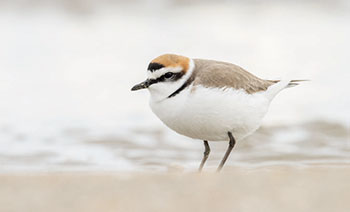 Il tratto costiero di Pineto è uno dei più suggestivi del litorale adriatico abruzzese, caratterizzato dalla Pineta litoranea e dal paesaggio dunale. La pineta è il luogo ideale per praticare attività all’aria aperta e conoscere un incredibile patrimonio naturalistico: alberi monumentali, fioriture delle varietà dunali e storie dell’indiscusso attore di questo ambiente mediterraneo: il Fratino. Si tratta del Charadrius Alexandrinus, una specie migratoria fortemente a rischio estinzione e monitorata soprattutto nel periodo di nidificazione tra la primavera e l’estate, il Fratino è presente soprattutto in luoghi che hanno conservato un buon grado di naturalità. Caratteristica più nota del territorio è la Torre di Cerrano: un’antica torre costiera che deve il suo nome al vicino torrente Cerrano, un tempo noto come Matrinus, il cui nome potrebbe probabilmente derivare dalla dea Cerere. Edificata nel XVI secolo su una struttura di avvistamento preesistente, la Torre di Cerrano rappresenta uno dei pochi esempi ancora integri di una complessa rete di fortificazioni costiere del ‘500 con la principale funzione di respingere i frequenti attacchi provenienti dal mare. Dal punto di vista architettonico, la costruzione originale è una torre quadrata in laterizio, alta circa 12,60 metri, con mura inclinate a piramide e merli guelfi. L’area in cui sorge la Torre era sede dell’antico approdo di Hatria Picena e nei fondali sono ancora presenti i resti sommersi visibili attraverso le attività di snorkeling che consentono di osservare le bitte utilizzate per l’ormeggio delle navi. Attualmente la torre è sede dell’Area Marina Protetta ed ospita al suo interno un piccolo Museo del Mare. Numerose sono le attività proposte da guide qualificate durante la stagione estiva: visite guidate, educazione ambientale, snorkeling ed ultimamente il dolphin watching. Infatti lo specchio d’acqua antistante la torre è area di passaggio di cetacei, principalmente della specie Tursiope, e tartarughe marine della specie Caretta caretta.
 Sulla collina in prossimità del centro città è possibile immergersi nel verde del Parco Filiani, una macchia mediterranea nata come bosco artificiale negli anni 30 e progettata da Luigi Corrado Filiani per risanare una zona erosa da una cava di argilla. Oggi il Parco è fra i migliori esempi di riqualificazione ambientale, disposto su tre ampi terrazzi con moltissime specie botaniche tipiche della vegetazione mediterranea, spicca inoltre qualche esemplare di cedro, piantato probabailmente per arricchire il Parco con specie per quel tempo abbastanza rare e inusuali ed esclusive dei ricchi giardini signorili. Uno di questi spazi ospita il Cerrano Adventure Park, un parco avventura, armoniosamente avvolto da una folta macchia mediterranea.
Gli amanti della natura possono visitare il Giardino Botanico sulla spiaggia di ciottoli, un tratto costiero unico per le sue caratteristiche vegetazionali e per l’elevato valore paesaggistico. Estendendosi a nord di Pineto, tra Villa Fumosa e Scerne di Pineto, rappresenta uno scrigno di biodiversità per le rare specie di piante dunali.
Per gli appassionati di geologia, non può mancare una visita al Cenerone. Inserito tra i Geositi della Regione Abruzzo, si presenta con la sua forma semiconica trascinando in superficie argilla, fango ed acqua salata. È anche conosciuto come “vulcanello di fango” appellativo dovuto alla descrizione ereditata dalla cultura popolare oltre che da alcuni racconti dei viaggiatori ed illustratori del primo ottocento.
Per gli amanti della bicicletta, la Ciclovia Adriatica è l’occasione perfetta per esplorare la costa teramana: verso nord fino a Martinsicuro, oppure verso sud fino a Silvi Marina, dove si collega alla pista ciclabile che da Pescara prosegue lungo il litorale sud.
Durante l’estate Pineto si anima grazie ad un calendario di manifestazioni con proposte di grande prestigio ed appuntamenti consolidati nel tempo come la XXI° edizione del Festival di Teatro per Ragazzi al Parco della Pace e il Caffè Letterario che da anni accoglie autori e lettori nella suggestiva cornice del giardino di Villa Filiani.
Pineto regala una combinazione unica di bellezza naturale e profumi avvolgenti, ideale per chi cerca un rifugio tranquillo e suggestivo per le sue vacanze lungo la costa.
INFORMAZIONI:
www.comune.pineto.te.it
www.visitpineto.it
UFFICIO IAT
Informazione ed accoglienza turistica
Via G. D’ Annunzio 90 Giardino di Villa Filiani
Tel. 085 9491745 - iat.pineto@abruzzoturismo.it
Pineto, one of the most suggestive places on the Adriatic coast of Abruzzo, is renowned for the quality of its waters and the beauty of the landscape that surrounds it. Immersed in the greenery of dense vegetation of Pinus Pinea and Aleppo Pine, the pine forest was planted in the early 1900s, as a brilliant intuition of an ecologist ante litteram Corrado Luigi Filiani who became the author of an extraordinary project with landscape and environmental value that marked the urban context of the future Pineto.
In the center of the city we find the Villa Filiani, a focal point of the city's history and ancient home of the Filiani barons. The villa was built in 1844 by Giacinto Filiani as a family summer residence. In 1863 the baron granted his land for the construction of the then railway, on the condition that there was a rest station right in front of the villa. Subsequently, other buildings were also built with activities of commerce such as a tobacconist, an inn, and finally a post office and an elementary school, thus the nucleus of the historic center was born: ‘Villa Filiani – Fraction of Mutignano’.
The architectural structure of Villa Filiani, recalls country villas, with a double external staircase in the center and a main covered terrace. The upper floor leads to the most important room, known as the Corneli room with a frescoed ceiling with gallant scenes and landscapes that reproduce the alternation of the seasons. Some rooms on the second floor were used, until the early 1950s, for silkworm breeding, the main source of income for the local economy. It is no coincidence that in the garden of the villa and nearby, there are still mulberry trees, evidence of this important source of income in the past. Today the villa is owned by the Municipality, which oversaw its restoration in 2005 and hosts exhibitions, conferences, concerts and numerous events throughout the year. One wing of the villa is home of the Centro Etnomusicologico d’Abruzzo, a regional point of reference for the recovery, conservation and promotion of traditional oral music from Abruzzo.
In the main square of Pineto is the Church of Sant’Agnese, designed by engineer De Falco in 1925 on a plot of land donated by Baron Filiani himself, who wrote an impassioned letter to his fellow citizens urging them to donate a contribution for the construction of a place of worship in the city.
The history of Pineto has its roots in the charming village medieval town of Mutignano, nestled on a ridge between spectacular gullies, mountain peaks and a view of the sea. The well-preserved historic centre winds with its characteristic alleys around the Church of San Silvestro, the beating heart of the village. A medieval building in late Romanesque style, remodelled during the 14th century and later in the 18th century, it has a bell tower on the façade with a sloping base and octagonal spire. The church houses an important tempera painting on wood depicting Pope Saint Silvestro in the central part, portrayed seated, with rich vestments, a tiara and a pastoral staff. The side panels feature episodes from the life of the Saint. It is a polyptych from the 15th century created by Andrea de Litio, one of the most important artists of the time. important artists of the Abruzzo Renaissance and author of the monumental cycle of frescoes in the Cathedral of Atri.
The village is characterized by the presence of some murals on the facades of the houses that tell scenes of daily life and local characters. Walking along Corso Umberto, the main artery of the village, you reach the panoramic point of the Castellaro Park which guarantees a breathtaking view of the Calanchi.
The coastal stretch of Pineto is one of the most evocative of the Adriatic coast of Abruzzo, characterized by the coastal pine forest and the dune landscape. The pine forest is the ideal place to practice outdoor activities and learn about an incredible naturalistic heritage: monumental trees, dune varieties in bloom and stories of the undisputed star of this Mediterranean environment: the Pennant Plover. This is the Charadrius Alexandrinus, a migratory species at serious risk of extinction and monitored especially during the nesting period between spring and summer, the Plover is present especially in places that have retained a good degree of naturalness. The most famous feature of the area is the Torre di Cerrano: an ancient coastal tower that owes its name to the nearby Cerrano stream, once known as Matrinus, whose name could probably derive from the goddess Ceres. Built in the 16th century on a pre-existing lookout structure, the Torre di Cerrano represents one of the few still intact examples of a complex network of coastal fortifications from the 16th century with the main function of repelling frequent attacks from the sea. From an architectural point of view, the original construction is a square brick tower, approximately 12.60 metres high, with inclined pyramid walls and Guelph battlements. The area where the Tower stands was the site of the ancient landing place of Hatria Picena and the submerged remains are still present on the seabed, visible through the activities snorkeling that allow you to observe the bollards used for mooring ships. The tower is currently home to the Marine Protected Area and houses a small Sea Museum. There are numerous activities offered by qualified guides during the summer season: guided tours, environmental education, snorkeling and recently dolphin watching. In fact, the body of water in front of the tower is a passage area for cetaceans, mainly the Bottlenose Dolphin species, and sea turtles of the Caretta caretta species.
On the hill near the city center, you can immerse yourself in the greenery of the Filiani Park, a Mediterranean scrub created as an artificial forest in the 1930s and designed by Luigi Corrado Filiani to reclaim an area eroded by a clay quarry. Today the Park is among the best examples of environmental redevelopment, arranged on three large terraces with many botanical species typical of Mediterranean vegetation, also stands out some cedar specimens, probably planted to enrich the Park with species for that time quite rare and unusual and exclusive to the rich stately gardens. One of these spaces hosts the Cerrano Adventure Park, an adventure park, harmoniously surrounded by thick Mediterranean scrub.
Nature lovers can visit the Botanical Garden on the pebble beach, a unique coastal stretch for its vegetation characteristics and high landscape value. Extending north of Pineto, between Villa Fumosa and Scerne di Pineto, it represents a treasure chest of biodiversity for the rare species of dune plants.
For geology enthusiasts, a visit to the Cenerone is a must. Listed among the Geosites of the Abruzzo Region, it presents itself with its semi-conical shape dragging clay, mud and salt water to the surface. It is also known as “mud volcano”, a name due to the description inherited from popular culture as well as from some tales of travellers and illustrators of the early nineteenth century.
For bicycle lovers, the Adriatic Cycle Route is the perfect opportunity to explore the Teramo coast: northwards to Martinsicuro, or southwards to Silvi Marina, where it connects to the cycle path that from Pescara continues along the southern coast.
During the summer, Pineto comes alive thanks to a calendar of events with highly prestigious proposals and events consolidated over time such as the XXI° edition of the Children's Theatre Festival at the Parco della Pace and the Literary Café which for years has welcomed authors and readers in the evocative setting of the Villa Filiani garden.
Pineto offers a unique combination of natural beauty and enveloping scents, ideal for those seeking a quiet and evocative refuge for their holidays along the coast.
INFORMATION:
www.comune.pineto.te.it
www.visitpineto.it
IAT OFFICE
Tourist information and reception
Via G. D’ Annunzio 90 Villa Filiani Garden
Tel. 085 9491745 - iat.pineto@abruzzoturismo.it