 Situato tra le verdi colline della provincia di Teramo, a 448 metri sul livello del mare, Canzano è un piccolo borgo ricco di storia, arte e tradizioni. Il paese, che comprende le frazioni di Valle Canzano, Sodere, Santa Lucia, Piano di Corte e San Pietro, è famoso per la lavorazione artigianale del merletto a tombolo e per la sua eccellenza gastronomica, il celebre tacchino alla canzanese, una specialità della cucina abruzzese.
Canzano si sviluppa lungo un crinale che separa i fiumi Vomano e Tordino, con il nucleo più antico situato nella parte più alta del borgo. L’urbanistica del centro storico è caratterizzata da un impianto medievale con quattro assi stradali, tra cui Via Roma, la principale arteria del paese. Due antiche porte segnano gli ingressi più importanti: Porta Nuova, rivolta a est, e Porta Madonna, che si apre in direzione opposta.
L’architettura del borgo è un mix di stili, con predominanza di edifici ottocenteschi e moderni, ma non mancano testimonianze del passato, come palazzi nobiliari del Cinquecento e Settecento. Tra i più rappresentativi spicca Palazzo Taraschi, situato in Piazza Risorgimento, con un pregevole portale in pietra.
 Canzano fu abitata sin dalla preistoria, come testimoniano reperti rinvenuti nella zona. In epoca preromana fu usata dai Pretuzi, probabilmente come una sede fortificata, mentre una necropoli vicina risale al IX-IV secolo a.C. In epoca romana dipese dal municipium di Interamnia Praetutianorum (Teramo). Citata nel Catalogus Baronum (1150), fu feudo degli Acquaviva, dei “da Canzano” e, in epoca moderna, degli Alarcón y Mendoza. Il paese conserva anche parte delle mura medievali del XIV secolo, costruite per volontà della famiglia Acquaviva, e un suggestivo torrione circolare risalente al XV secolo, con merlature e beccatelli tipici delle fortificazioni del tempo.
Tra le principali attrazioni religiose di Canzano spicca il Santuario della Madonna dell’Alno, eretto nel 1592 sul luogo di un’apparizione della Vergine risalente al nel 1480. All’interno del santuario si trovano preziose opere d’arte, tra cui una pala d’altare del 1601 raffigurante la Madonna del Rosario, dipinti seicenteschi e una suggestiva acquasantiera del XVII secolo.
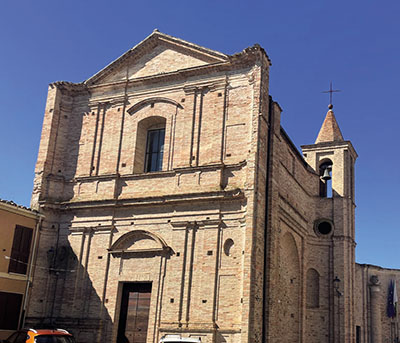
 Sempre nel centro di Canzano è possibile ammirare la Chiesa di San Salvatore, in stile romanico medievale, un tempo parte di un’abbazia benedettina. La semplice facciata ha un portale con capitelli del XII secolo scolpiti con i simboli degli evangelisti. La chiesa è inclusa nell’itinerario turistico-religioso della Valle delle Abbazie (vedi www.valledelleabbazie.it).
Altri edifici religiosi degni di nota sono la Cappella dell’Annunziata, con un altare barocco e statue lignee del XVIII secolo, e la Chiesa della Congrega del Santissimo Sacramento, costruita nel Settecento sui resti della più antica Chiesa di San Biagio.
Sempre nel centro storico, immancabile una visita alla neviera, un piccolo miracolo di ingegneria risalente al 1100. La grotta è un vero e proprio “frigorifero naturale”, dove anticamente si conservava la carne con l’aiuto della neve. Per poterla ammirare, si può prenotare contattando il ristorante La Tacchinella.
 Il borgo di Canzano è particolarmente noto per la tradizione della lavorazione del merletto a tombolo, tramandata di generazione in generazione. Le donne, un tempo impegnate nella realizzazione del corredo nuziale, creavano manufatti raffinati come tovaglie, lenzuola e biancheria. Oggi, Canzano mantiene viva quest’arte attraverso una scuola dedicata e l’associazione “Ars et Labor”, che organizza la “Mostra del Ricamo e del Merletto”.
Oltre che per la sua storia e il suo patrimonio artistico, Canzano è celebre per la sua cucina tipica, in particolare per il tacchino alla canzanese, un piatto che affonda le radici in una tradizione di oltre 150 anni. Questa specialità prevede una lunga cottura del tacchino in acqua, insieme alle sue ossa frantumate, fino a ottenere un brodo gelatinoso che si solidifica raffreddandosi. Servito freddo con la sua gelatina, il piatto viene preparato ancora oggi secondo le antiche tecniche tramandate di generazione in generazione. Il piatto, davvero prelibato, viene magnificato ogni anno durante Tacchinando, una delle manifestazioni enogastronomiche più attese della regione, interamente dedicata al tacchino alla canzanese.
Passeggiando per le vie di Canzano si respira un’atmosfera autentica, tra le antiche mura medievali, le chiese ricche di storia e le tradizioni culinarie tramandate nei secoli. È la meta ideale per chi cerca un viaggio alla scoperta di un Abruzzo genuino, fatto di arte, cultura e sapori indimenticabili.
Located among the green hills of the province of Teramo, 448 meters above sea level, Canzano is a small village rich in history, art and traditions. The town, which includes the hamlets of Valle Canzano, Sodere, Santa Lucia, Piano di Corte and San Pietro, is famous for its artisanal bobbin lace and for its gastronomic excellence, the famous turkey Canzanese, a specialty of Abruzzo cuisine.
Canzano develops along a ridge that separates the Vomano and Tordino rivers, with the oldest part located in the highest part of the village. The urban planning of the historic center is characterized by a medieval layout with four roads, including Via Roma, the main artery of the town. Two ancient gates mark the most important entrances: Porta Nuova, facing east, and Porta Madonna, which opens in the opposite direction.
The architecture of the village is a mix of styles, with a predominance of nineteenth-century and modern buildings, but there is no lack of evidence of the past, such as noble palaces from the sixteenth and eighteenth centuries. Among the most representative stands out Palazzo Taraschi, located in Piazza Risorgimento, with a valuable stone portal.
Canzano has been inhabited since prehistoric times, as evidenced by finds discovered in the area. In pre-Roman times it was used by the Pretuzi, probably as a fortified headquarters, while a nearby necropolis dates back to the 9th-4th century BC. In Roman times it depended on the municipium of Interamnia Praetutianorum (Teramo). Cited in the Catalogus Baronum (1150), it was a fief of the Acquaviva, of the “da Canzano” and, in modern times, of the Alarcón y Mendoza. The town also preserves part of the medieval walls of the 14th century, built by will of the of the Acquaviva family, and a suggestive circular tower dating back to the 15th century, with battlements and corbels typical of the fortifications of the time.
Among the main religious attractions of Canzano stands out the Sanctuary of the Madonna dell’Alno, built in 1592 on the site of an apparition of the Virgin dating back to 1480. Inside the sanctuary there are precious works of art, including an altarpiece from 1601 depicting the Madonna del Rosario, 17th-century paintings and a suggestive 17th-century holy water stoup.
Also in the center of Canzano you can admire the Church of San Salvatore, in medieval Romanesque style, once part of a Benedictine abbey. The simple facade has a portal with 12th-century capitals carved with the symbols of the evangelists. The church is included in the tourist-religious itinerary of the Valley of the Abbeys (see www.valledelleabbazie.it).
Other religious buildings worthy of note are the Cappella dell’Annunziata, with a Baroque altar and wooden statues from the 18th century, and the Church of the Congrega del Santissimo Sacramento, built in the 18th century on the remains of the older church. ancient Church of San Biagio.
Also in the historic center, a visit to the neviera is a must, a small miracle of engineering dating back to 1100. The cave is a real “natural refrigerator”, where in ancient times meat was preserved with the help of snow. To admire it, you can book by contacting the La Tacchinella restaurant.
The village of Canzano is particularly known for its tradition of bobbin lace, handed down from generation to generation. Women, once engaged in the creation of the wedding trousseau, created refined artefacts such as tablecloths, sheets and linens. Today, Canzano keeps this art alive through a dedicated school and the association “Ars et Labor”, which organizes the “Embroidery and Lace Exhibition”.
In addition to its history and artistic heritage, Canzano is famous for its traditional cuisine, in particular for turkey Canzanese style, a dish that has its roots in a tradition of over 150 years. This specialty involves cooking the turkey in water for a long time, together with its crushed bones, until it becomes a gelatinous broth that solidifies as it cools. Served cold with its gelatine, the dish is still prepared today according to ancient techniques passed down from generation to generation. The truly delicious dish is magnified every year during Tacchinando, one of the most anticipated food and wine events in the region, entirely dedicated to turkey Canzanese style.
Walking through the streets of Canzano you can breathe in an authentic atmosphere, among the ancient medieval walls, the churches rich in history and the culinary traditions handed down over the centuries. È the ideal destination for those seeking a journey to discover a genuine Abruzzo, made of art, culture and unforgettable flavours.