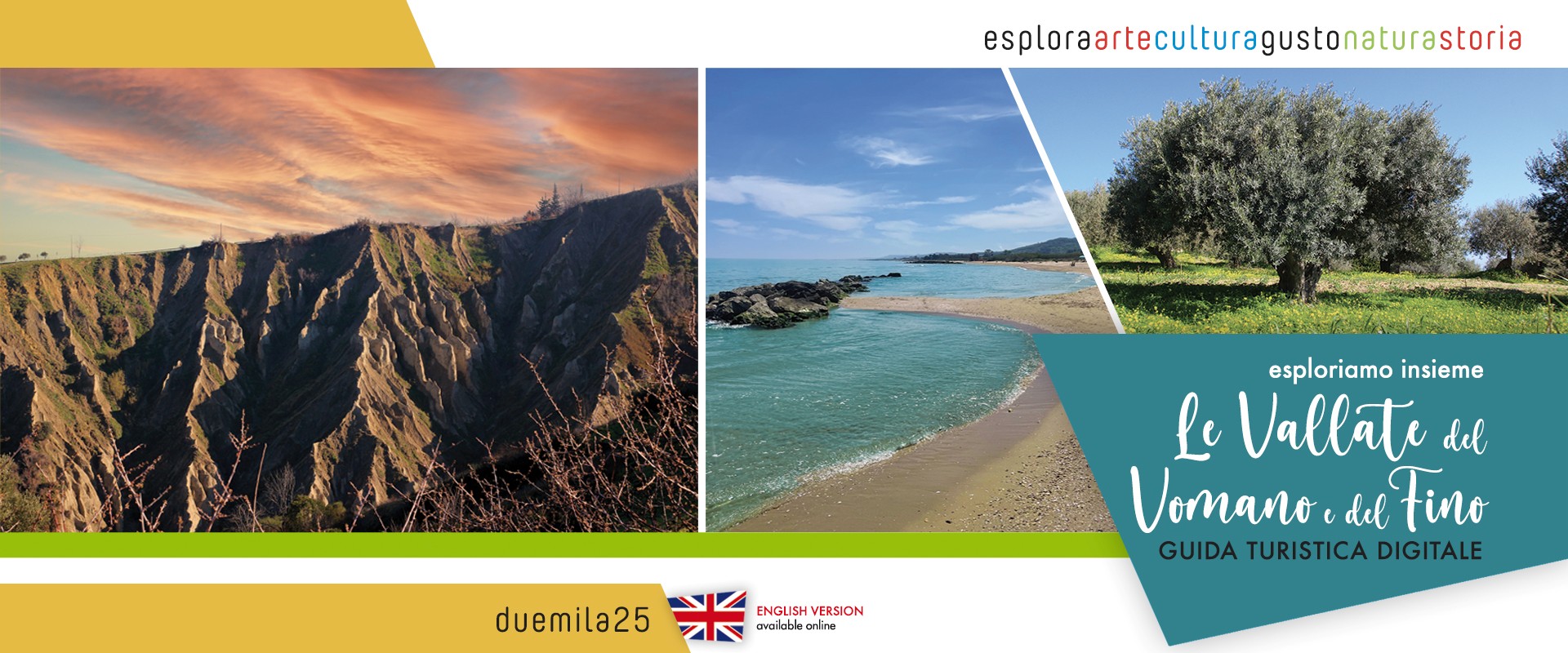

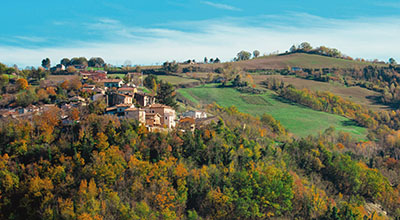
 Arsita è un piccolo comune dell’Abruzzo, situato su un colle che domina la valle del fiume Fino. Le sue origini risalgono al periodo preromano, come dimostrano i ritrovamenti archeologici effettuati nel 1985, che includono tombe, corredi e monili. Questi reperti testimoniano la presenza di antichi abitanti della zona, probabilmente appartenenti alla civiltà italica, più precisamente ai Vestini, una popolazione che occupava la regione prima dell’arrivo dei Romani.
Fino agli inizi del X secolo, Arsita era conosciuta con il nome di Bacucco. Le origini del nome sono incerte: alcuni storici ritengono che derivi da “castelletto” o “insediamento di capanne di frasche”, mentre altri sostengono che il nome si riferisca alla forma ovale del paese, che ricorda un “bel cucco”. Tuttavia, a partire dal XI secolo, il nome di Arsita cominciò a comparire in documenti ufficiali, come quello del 1085 relativo alla cessione di tre castelli, tra cui Bacucco e Arseta, al monastero di Montecassino. Il nome Arsita, che significa “luogo arso o bruciato”, suggerisce una storia di incendi o distruzioni, con il paese che subì vari rimaneggiamenti nel corso dei secoli.
Durante il Rinascimento, il territorio di Arsita si estese anche alla vicina Roccafinadamo (oggi Rocca Filiorum Adami), che rappresenta una sopravvivenza del vecchio insediamento. La Cima della Rocca conserva ancora oggi tracce di questo insediamento, che risale probabilmente all’epoca italica.
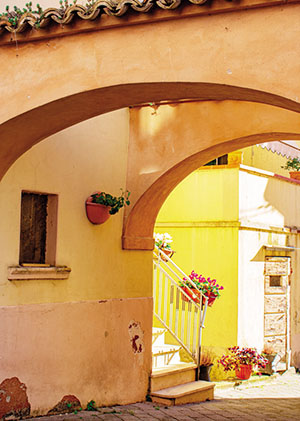 Arsita custodisce un ricco patrimonio storico e architettonico, che testimonia la sua evoluzione attraverso i secoli. In particolare, situata fuori dal centro abitato, lungo la strada che conduce a Penne, troviamo la Chiesa di Santa Maria d’Aragona. Questa chiesa risale al XV secolo, sebbene la facciata sia stata modificata con un portico più recente. L’interno, con una navata unica e un tetto a capriate in legno, conserva un bell’arco gotico. Il pavimento è arricchito da una lastra di pietra con la croce, che segnala la presenza di un ossario sottostante. Nella chiesa si trova anche una terracotta dipinta abruzzese del 1531, che raffigura una Madonna con Bambino, restaurata nel XIX secolo.
Nel cuore del borgo di Arsita, la chiesa parrocchiale, dedicata a Santa Vittoria, rappresenta uno degli edifici più significativi. La chiesa, in mattoni, presenta una facciata che è stata aggiunta su quella originaria. La struttura attuale conserva ancora il piccolo portale, in stile tardo Cinquecento, che testimonia il passaggio e le influenze architettoniche di quel periodo.
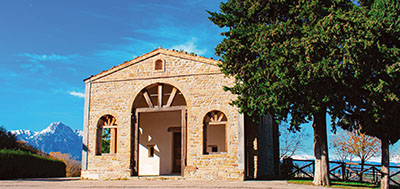 I visitatori potranno poi ammirare il Castello di Bacucco, di origine medievale, che conserva ancora alcune parti del recinto murario, risalente al XII-XIII secolo, e una torre angolare circolare. Il castello fu ampliato nel XVI secolo, quando Arsita entrò a far parte dello Stato Farnesiano d’Abruzzo. Nel XVIII secolo, il castello fu trasformato in residenza nobiliare, ma oggi si presenta in stato di abbandono, nonostante la sua struttura imponente.
Sulla strada che da Arsita sale verso Collemesole si trova il “Sentiero dei Mulini”, un percorso che offre uno spunto interessante per riflettere sul legame della comunità con il passato contadino. I mulini hanno avuto un’importanza fondamentale nella vita quotidiana, rappresentando una conquista economica e una sorta di indipendenza per le famiglie rurali e gli anziani del paese, spesso li citano come luoghi “sacri”.
Arsita è anche un luogo dove il cibo racconta la storia del territorio e delle sue tradizioni. La cucina locale è profondamente legata alla terra e alla cultura contadina, con piatti semplici ma ricchi di sapori autentici. Due delle specialità gastronomiche più rappresentative sono la Fracchiata e il Coatto.
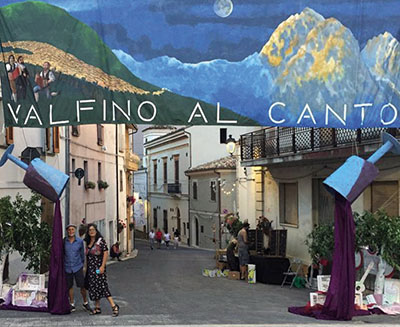 Nella prima metà di agosto, Arsita ospita la splendida rassegna folk di Valfino al Canto, un festival finalizzato a celebrare la cultura popolare abruzzese, con un focus particolare sulla tradizione musicale, che ad Arsita ha sempre avuto un ruolo centrale.
Questa manifestazione porta la musica direttamente nelle strade e nelle piazze, dove suonatori e ballerini si esibiscono in modo naturale, seguendo l’antica usanza locale e creando un’atmosfera festosa e coinvolgente. Nella tradizione di Arsita, la musica non è solo un intrattenimento, ma una forma di espressione profonda, legata sia alle occasioni religiose che alle feste profane, un linguaggio che si trasmette di generazione in generazione.
Arsita is a small town in Abruzzo, located on a hill overlooking the valley of the Fino river. Its origins date back to the pre-Roman period, as demonstrated by archaeological finds made in 1985, which include tombs, grave goods and jewelry. These finds testify to the presence of ancient inhabitants of the area, probably belonging to the Italic civilization, more precisely to the Vestini, a population that occupied the region before the arrival of the Romans.
Until the beginning of the 10th century, Arsita was known by the name of Bacucco. The origins of the name are uncertain: some historians believe that it derives from “castelletto” or “settlement of huts of branches”, while others maintain that the name refers to the oval shape of the town, which resembles a “beautiful cucco”. However, starting from the 11th century, the name of Arsita began to appear in official documents, such as the one from 1085 relating to the transfer of three castles, including Bacucco and Arseta, to the monastery of Montecassino. The name Arsita, which means “burnt or burned place”, suggests a history of fires or destruction, with the town having suffered various alterations over the centuries.
During the Renaissance, the territory of Arsita also extended to the nearby Roccafinadamo (now Rocca Filiorum Adami), which represents a survival of the old settlement. The Cima della Rocca still preserves traces of this settlement, which probably dates back to the Italic era.
Arsita preserves a rich historical and architectural heritage, which testifies to its evolution over the centuries. In particular, located outside the town, along the road that leads to Penne, we find the Church of Santa Maria d’Aragona. This church dates back to the 15th century, although the façade has been modified with a more recent portico. The interior, with a single nave and a wooden truss roof, preserves a beautiful Gothic arch. The floor is enriched by a stone slab with a cross, which indicates the presence of an ossuary underneath. In the church there is also a painted terracotta from Abruzzo from 1531, depicting a Madonna with Child, restored in the 19th century.
In the heart of the village of Arsita, the parish church, dedicated to Santa Vittoria, is one of the most significant buildings. The church, in brick, has a façade that was added on top of the original one. The current structure still retains the small portal, in late sixteenth-century style, which bears witness to the passage and architectural influences of that period.
Visitors can then admire the Castello di Bacucco, of medieval origin, which still retains some parts of the wall enclosure, dating back to the 12th-13th century, and a circular corner tower. The castle was expanded in the 16th century, when Arsita became part of the Farnese State of Abruzzo. In the 18th century, the castle was transformed into a noble residence, but today it is in a state of abandonment, despite its imposing structure.
On the road that goes from Arsita towards Collemesole is the “Sentiero dei Mulini”, a path that offers an interesting starting point for reflecting on the community's connection with its peasant past. The mills have had a fundamental importance in daily life, representing an economic conquest and a sort of independence for rural families and the elderly of the village, often citing them as “sacred” places.
Arsita is also a place where food tells the story of the territory and its traditions. The local cuisine is deeply linked to the land and peasant culture, with simple dishes but rich in authentic flavors. Two of the specialties The most representative gastronomic events are the Fracchiata and the Coatto.
In the first half of August, Arsita hosts the splendid folk festival of Valfino al Canto, a festival aimed at celebrating the popular culture of Abruzzo, with a particular focus on the musical tradition, which has always played a central role in Arsita.
This event brings music directly to the streets and squares, where musicians and dancers perform in a natural way, following the ancient local custom and creating a festive and engaging atmosphere. In the tradition of Arsita, music is not just entertainment, but a form of profound expression, linked to both religious occasions and secular celebrations, a language that is passed down from generation to generation.