 Affacciata sul Mar Adriatico, è una delle località più affascinanti e caratteristiche della riviera teramana, nota per la sua storia, il suo paesaggio e le tradizioni che riescono a mescolarsi armoniosamente con le esigenze del turismo moderno. La città è divisa in due parti principali: Tortoreto Lido, sulla costa, e Tortoreto Alto, il nucleo storico situato sulla collina che domina la pianura sottostante. Nell’entroterra troviamo le frazioni di Salino, Terrabianca e Cavatassi.
Il nome Tortoreto deriva da “turturetum”, termine latino che significa “luogo con molte tortore”, infatti per il suo clima mite e temperato è sempre stato il territorio prediletto per la nidificazione di questi uccelli.
La storia di Tortoreto è antichissima, come testimoniano i numerosi ritrovamenti di stazioni eneolitiche, prime forme di stanziamento da parte di tribù, utensili e fondi di capanne risalenti a più di 6000 anni fa. Uno dei più antichi reperti storici rinvenuti è stato un Elephas Meridionalis, cioè un mammuth, di cui è stato conservato solo il femore lungo più di 2 metri.
Passando all’epoca romana, sono stati trovati alcuni scritti di Plinio Il Vecchio, il quale descrisse come Ager Palmensis la zona che comprendeva il territorio di Palma dal Salinello alla Vibrata, l’attuale Tortoreto. Altra interessantissima testimonianza di tale periodo è la Villa Rustica “Le Muracche” risalente al II. Sec a.C. Essa è divisa in due parti principali: la pars fructuaria, dove si producevano vino e olio, e dalla pars urbana cioè residenziale, caratterizzata da mosaici bianco-azzurri. Nel Medioevo Tortoreto attraversò un periodo particolarmente fiorente ed era costituita dal rione di Terravecchia con la chiesa di S. Eufemia, e da quello di Terranova con la chiesa di S. Nicola. La Torre dell’Orologio, uno dei simboli più importanti della città è stata realizzata in più fasi: il basamento di pietre e mattoni risale al VII secolo, mentre la parte centrale della torre è di epoca medievale (ancora oggi, si possono notare i segni lasciati dai tiranti di quello che in passato era un ponte levatoio). La sezione più alta risale all’Ottocento con l’aggiunta delle arcate gotiche e dell’orologio da cui prende l’attuale nome.
 Successivamente, durante la Seconda guerra mondiale, Tortoreto attraversò un periodo difficile, ma ci fu un evento molto importante che riuscì a risollevare gli animi, soprattutto in quelle zone come la Stazione di Tortoreto dove i danni furono ingenti a causa dei bombardamenti: la prima gara Motociclistica del Dopoguerra. Nel 1956 il territorio costiero fu diviso in due, e nacque la frazione di Tortoreto Lido con la scissione di Alba Adriatica.
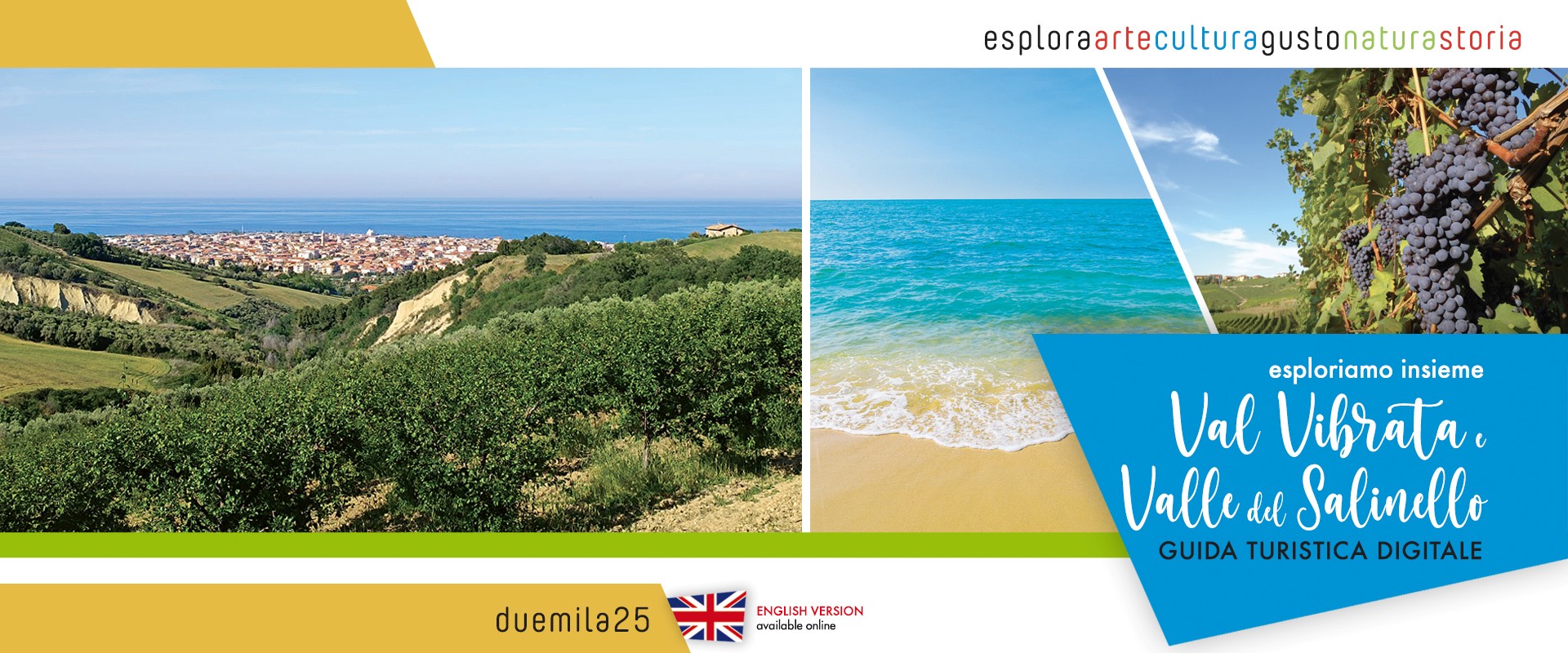
Tornando al centro storico, Tortoreto Alto è sicuramente il miglior punto di partenza per ogni visita alla città. Arroccato su una collina, il borgo offre uno spettacolare panorama che spazia dal mare Adriatico alle colline circostanti, offrendo una vista privilegiata sulla zona marina e sull’entroterra abruzzese. Il cuore del paese è caratterizzato da strette viuzze acciottolate, case in pietra e piccoli cortili, che trasmettono l’atmosfera di un tempo passato. Il centro è dominato dalla Chiesa di San Nicola di Bari, risalente al XV secolo e dalla Chiesa della Misericordia, edificata nel 1348 come ringraziamento alla Madonna per aver evitato alla città il propagarsi della tremenda epidemia di peste che aveva colpito tutta l’Italia. Ancora oggi all’interno della chiesa si possono ammirare una serie di affreschi rinascimentali realizzati da Giacomo Bonfini. Un altro sito preziosissimo è la Chiesa di Sant’Agostino, un edificio religioso costruito in stile barocco con una sola navata, una volta a vela ed altari con ornamenti in stucco. Al suo interno, è custodito il ‘Battesimo di Sant’Agostino’, splendida tela ad opera di Mattia Preti, pittore seicentesco.
Passeggiando per il borgo, si può notare come molte strutture abbiano mantenuto intatto il fascino del passato, pur con l’aggiunta di alcuni interventi che ne preservano la bellezza architettonica. Il paesaggio che circonda Tortoreto Alto è una cornice naturale che amplifica la suggestione del luogo, con i suoi terreni agricoli, vigneti e uliveti, che rappresentano un aspetto fondamentale dell’economia locale.
 Tortoreto Lido, situato lungo la costa, è il volto più moderno della città, ed è la località balneare più frequentata della zona. La spiaggia di Tortoreto è lunga e sabbiosa, ideale per le famiglie e per chi cerca un luogo tranquillo dove trascorrere una vacanza all’insegna del mare e del relax. Negli ultimi decenni, Tortoreto Lido si è evoluta in un centro turistico che unisce modernità e tradizione, con strutture alberghiere, ristoranti e negozi che offrono servizi di alta qualità, pur mantenendo l’autenticità tipica delle piccole località di mare. Le sue acque cristalline, premiate con la Bandiera Blu dal 1995, sono l’attrazione principale del lido. Molti altri riconoscimenti attestano il grande valore di questo comune: Bandiera Verde come “spiaggia a misura di bambino”, Bandiera Gialla per la sua ciclabilità e Bandiera Lilla per la particolare attenzione alle esigenze di chi ha disabilità di ogni genere. Inoltre ha conquistato 4 vele di Legambiente e le Spighe Verdi per la ruralità sostenibile. Fa parte della rete Bandiera Azzurra FIDAL - Città della Corsa e del Cammino e del tour Passaborgo essendo riconosciuta come Borgo Storico Marinaro.
Il lungomare di Tortoreto è un vero e proprio punto di ritrovo per turisti e residenti, con bar, gelaterie e ristoranti che offrono piatti tipici della cucina abruzzese, come il famoso brodetto di pesce, gli arrosticini o l’eccezionale Chitarrina alla Tortoretana, che rappresenta alla perfezione il connubio dei sapori “di mare e di terra”.
Oltre alle sue bellezze naturali, Tortoreto Lido è anche un ottimo punto di partenza per escursioni nei dintorni. La vicinanza con i monti e con i parchi naturali permette ai turisti di vivere esperienze all’aria aperta, sia in estate che in inverno.
Tortoreto è una cittadina che conserva una ricca tradizione culturale e popolare, che si riflette nelle sue feste e nelle sue tradizioni.
Durante l’estate ospita anche numerosi eventi culturali, concerti, mostre d’arte e festival che coinvolgono sia i residenti che i turisti. Una particolare importanza viene attribuita alla gastronomia, con la valorizzazione dei prodotti tipici locali, come il vino Montepulciano d’Abruzzo e l’olio extravergine d’oliva, che rappresentano un vero e proprio simbolo del territorio.
Fra le manifestazioni più interessanti, nel mese di giugno, non potete mancare alla Notte Rosa: il lungomare diventa un allegro paese dei balocchi, con spettacoli e giochi per la gioia dei più piccoli.
Nei mesi di luglio e agosto si svolge invece Il Palio del Barone, una bellissima rievocazione storica, un salto indietro di circa otto secoli. La città si trasforma in un enorme teatro a cielo aperto e per le vie e le strade si incontrano dame e ancelle, armigeri e balestrieri, giullari, trampolieri e sbandieratori: un evento imperdibile.
Tortoreto è un comune che riesce ad unire in modo mirabile la bellezza naturale della sua costa con la ricchezza storica del suo centro. Le sue spiagge, il borgo medievale e le tradizioni culturali la rendono una meta ideale per chi cerca una destinazione che possa offrire sia il relax balneare che la scoperta della storia e della cultura abruzzese.
Overlooking the Adriatic Sea, it is one of the most fascinating and characteristic places on the Teramo coast, known for its history, its landscape and the traditions that manage to blend harmoniously with the needs of modern tourism. The city is divided into two main parts: Tortoreto Lido, on the coast, and Tortoreto Alto, the historic center located on the hill overlooking the plain below. In the hinterland we find the hamlets of Salino, Terrabianca and Cavatassi.
The name Tortoreto derives from “turturetum”, a Latin term meaning “place with many turtledoves”, in fact due to its mild and temperate climate it has always been the favourite territory for nesting of these birds.
The history of Tortoreto is very ancient, as evidenced by the numerous findings of Eneolithic settlements, the first forms of settlement by tribes, tools and hut bottoms dating back more than 6000 years. One of the oldest historical finds discovered was an Elephas Meridionalis, that is, a mammoth, of which only the femur, more than 2 meters long, has been preserved.
Moving to the Roman era, some writings by Pliny the Elder have been found, who described the area that included the territory of Palma from Salinello to Vibrata, today's Tortoreto, as Ager Palmensis. Another very interesting testimony of this period is the Villa Rustica “Le Muracche” dating back to the 2nd century BC. It is divided into two main parts: the pars fructuaria, where wine and oil were produced, and the pars urbana, which is residential, characterized by white and blue mosaics. In the Middle Ages, Tortoreto went through a particularly flourishing period and was made up of the district of Terravecchia with the church of S. Eufemia, and that of Terranova with the church of S. Nicola. The Clock Tower, one of the most important symbols of the city, was built in several phases: the base of stones and bricks dates back to the 7th century, while the central part of the tower is from the medieval period (even today, you can still see the signs left by the tie rods of what was once a drawbridge). The most The high church dates back to the nineteenth century with the addition of the Gothic arches and the clock from which it takes its current name.
Subsequently, during the Second World War, Tortoreto went through a difficult period, but there was a very important event that managed to lift spirits, especially in those areas such as the Tortoreto Station where the damage was extensive due to the bombings: the first post-war motorcycle race. In 1956 the coastal territory was divided in two, and the hamlet of Tortoreto Lido was born with the split of Alba Adriatica.
Returning to the historic center, Tortoreto Alto is certainly the best starting point for any visit to the city. Perched on a hill, the village offers a spectacular panorama that ranges from the Adriatic Sea to the surrounding hills, offering a privileged view of the marine area and the Abruzzo hinterland. The heart of the town is characterized by narrow cobbled streets, stone houses and small courtyards, which convey the atmosphere of a bygone era. The center is dominated by the Church of San Nicola di Bari, dating back to the 15th century and the Church of Misericordia, built in 1348 as thanks to the Madonna for having prevented the city from the spread of the terrible plague epidemic that had struck all of Italy. Even today, inside the church you can admire a series of Renaissance frescoes created by Giacomo Bonfini. Another very precious site is the Church of Sant’Agostino, a religious building built in Baroque style with a single nave, a ribbed vault and altars with stucco ornaments. Inside, it houses the ‘Baptism of Sant’Agostino’, a splendid canvas by Mattia Preti, a seventeenth-century painter.
Walking around the village, you can notice how many structures have maintained the charm of the past intact, despite the addition of some interventions that preserve their architectural beauty. The landscape surrounding Tortoreto Alto is a natural setting that amplifies the charm of the place, with its agricultural land, vineyards and olive groves, which represent a fundamental aspect of the local economy.
Tortoreto Lido, located along the coast, is the most modern face of the city, and is the most popular seaside resort in the area. The beach of Tortoreto is long and sandy, ideal for families and for those looking for a quiet place to spend a holiday dedicated to the sea and relaxation. In recent decades, Tortoreto Lido has evolved into a tourist center that combines modernity and tradition, with hotels, restaurants and shops that offer high quality services, while maintaining the authenticity typical of small seaside towns. Its crystal clear waters, awarded the Blue Flag since 1995, are the main attraction of the lido. Many other awards attest to the great value of this municipality: Green Flag as a "child-friendly beach", Yellow Flag for its cycling and Lilla Flag for its particular attention to the needs of those with disabilities of all kinds. It has also won 4 Legambiente sails and the Green Ears of Wheat for sustainable rurality. It is part of the Blue Flag FIDAL - City of Running and Walking network and of the Passaborgo tour, being recognized as a Historical Seaside Village.
The Tortoreto seafront is a real meeting point for tourists and residents, with bars, ice cream parlors and restaurants offering typical dishes of Abruzzo cuisine, such as the famous fish soup, arrosticini or the exceptional Chitarrina alla Tortoretana, which perfectly represents the combination of the flavors of "sea and land".
In addition to its natural beauty, Tortoreto Lido is also an excellent starting point for excursions in the surrounding area. The proximity to the mountains and natural parks allows tourists to enjoy outdoor experiences, both in summer and winter.
Tortoreto is a town that preserves a rich cultural and popular tradition, which is reflected in its festivals and traditions.
During the summer it also hosts numerous cultural events, concerts, art exhibitions and festivals that involve both residents and tourists. Particular importance is given to gastronomy, with the valorization of typical local products, such as Montepulciano d’Abruzzo wine and extra virgin olive oil, which represent a true symbol of the territory.
Among the most interesting events, in the month of June, you cannot miss the Notte Rosa: the seafront becomes a cheerful toyland, with shows and games for the joy of the youngest. small.
In the months of July and August, the Palio del Barone takes place, a beautiful historical re-enactment, a leap back about eight centuries. The city is transformed into a huge open-air theater and in the streets and roads you meet ladies and maids, men-at-arms and crossbowmen, jesters, stilt walkers and flag-wavers: an unmissable event.
Tortoreto is a municipality that manages to wonderfully combine the natural beauty of its coast with the historical richness of its center. Its beaches, medieval village and cultural traditions make it an ideal destination for those looking for a destination that can offer both seaside relaxation and the discovery of Abruzzo history and culture.