 Il Comune di Rocca Santa Maria si estende su un territorio montano posto a Nord - Ovest della Regione Abruzzo, dove si incontrano i territori delle quattro regioni centrali italiane: Lazio, Umbria, Marche ed Abruzzo. In massima parte questa terra ricade nel bacino idrografico del Tordino, in piccola parte in quello del Castellano ed in parte piccolissima nel bacino del Salinello.
Si compone di diversi borghi e frazioni, ben 24 centri abitati ricchi di storia e di fascino, che gravitano attorno al più grande e più importante, Imposte: qui si trovano l’attuale sede comunale fissa di Rocca Santa Maria e tutti i servizi indispensabili come bar, farmacia, tabaccheria, ristoranti e tanti altri messi a disposizione per godere al massimo della permanenza in questa bella località montana. Poi troviamo la frazione di Belvedere, chiamata così per la sua posizione panoramica, che insieme ai territori di Fustagnano, di Colle Cesetta, di Tavolero-Force, di Canili, di Fiume, di Ciarelli, di Paranesi, di Licciano, di Alvelli, di Cesa, di Tevere, di Castiglione, di Riano, di Forno e di Fioli apparteneva all’Antica Università Agraria di Rocca S. Maria. Non può mancare poi una visita ai meravigliosi borghi di Acquaratola, Fiume, Forno, Martese, San Biagio, Serra e Tavolero.
Ancora fino ad un secolo fa circa, Rocca Santa Maria era suddivisa in diversi piccolissimi centri, autonome comunità a sé stanti, con una propria organizzazione, una propria economia e con delle attività legate alle risorse maggiormente presenti in quel luogo. Alcuni villaggi erano dediti all’allevamento di bovini, altri a quelli di ovini, altri ancora all’industria boschiva o alla produzione agricola di cereali oppure alla gestione di mulini ad acqua.
 Il borgo di Rocca Santa Maria, secondo alcune documentazioni risalenti al 1273, prende il suo nome da un’antica struttura fortificata situata sul Colle Castello, che in epoca passata ebbe una grande importanza all’interno del territorio.
Secondo diverse tracce rinvenute, la presenza umana risale almeno all’epoca romana. A Sant’Omero, infatti, è conservato un monumento che prova la costruzione, nell’anno 637 di Roma, della strada Cecilia Metella che attraversava il territorio di Rocca Santa Maria. Tale strada si diramava dalla Salaria, all’altezza di Amatrice, e si ricongiungeva ad essa all’altezza della Val Vibrata. Questa tratta-accorciatoia, senza dubbio, fu realizzata per riuscire a raggiungere i numerosi villaggi presenti già a quell’epoca nel territorio di Rocca Santa Maria.
Il Bosco Martese, nella località del Ceppo, è una suggestiva area naturalistica, diventato famoso per essere stato il teatro della prima battaglia dei partigiani contro le truppe tedesche nel 1943. Il Bosco Martese diventò così il luogo simbolo della resistenza partigiana contro il Nazifascismo. Oggi è possibile ricordare quei giorni di eroismo e combattimenti in cui morirono tanti giovani attraverso due monumenti e numerose lapidi che commemorano il loro sacrificio.
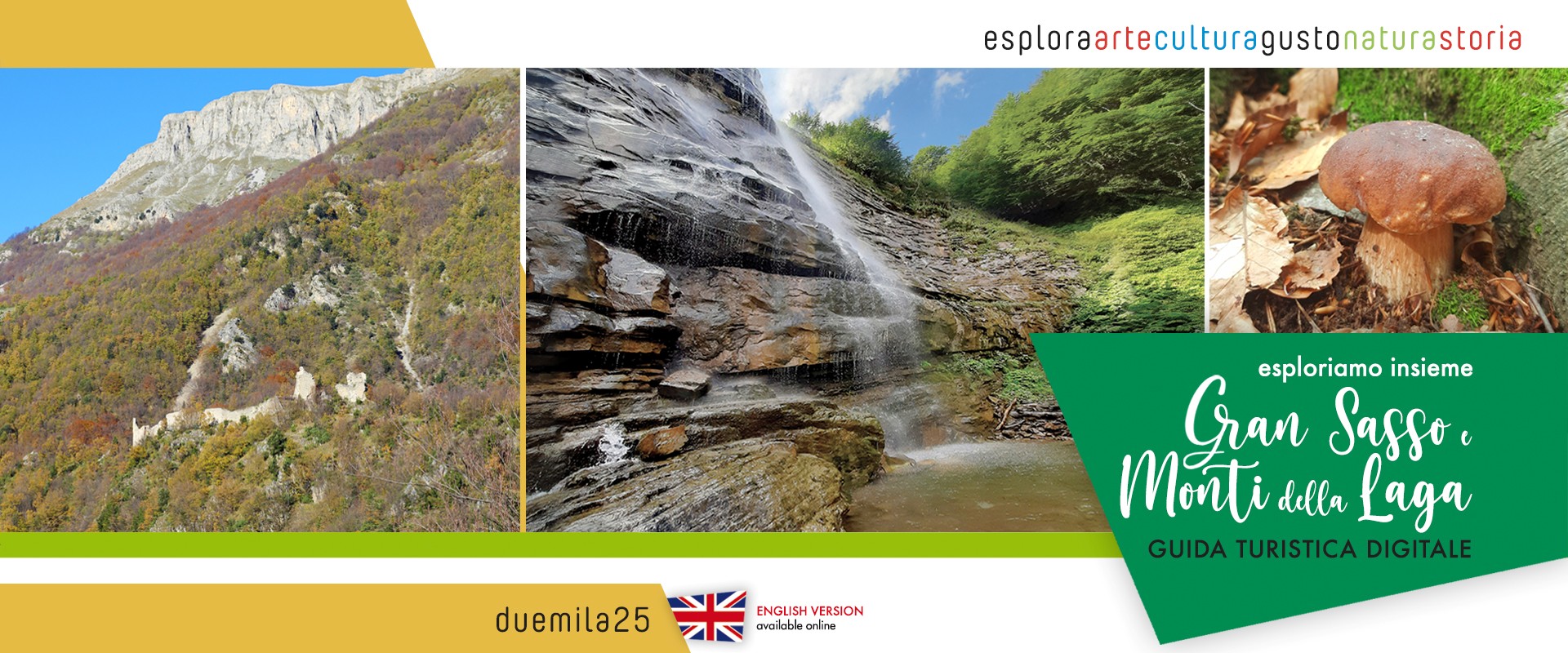
Il comune si caratterizza per essere un luogo immerso nella natura, dove è possibile trascorrere splendide giornate passeggiando tra sorgenti fluviali fino a raggiungere vette dalle quali ammirare panorami mozzafiato, e dove ci si può avventurare tra le ombrose fronde degli alberi secolari. Il Bosco Martese nasconde poi un gioiello: a 1600 mslm è possibile ammirare la splendida Cascata della Morricana. Il percorso per raggiungerla si estende all’interno del bosco ed è caratterizzato da strade sterrate circondate da faggi secolari e sentieri immersi nel verde.
 I borghi del Comune di Rocca Santa Maria conservano tesori di storia e di architettura che è possibile visitare ancora oggi. In particolare, la chiesa di San Martino a Fioli, costruita nel XIV secolo, al cui esterno possiamo ammirare l’antica struttura muraria, caratterizzata da un tetto a capanna e un campanile a vela, mentre al suo interno troviamo un antichissimo altare barocco intagliato in legno con decorazioni dorate e delle statue raffiguranti la Madonna del Rosario e San Martino. A Tavolero, borgo quasi del tutto disabitato, vi sono poi i ruderi della Chiesa di San Flaviano, la cui costruzione risale probabilmente alla fine del 1200 e di cui sono conservati la facciata e il portale romanico in pietra arenaria. La sua caratteristica posizione su di uno sperone, predominante e di vedetta rispetto all’abitato, ripropone il tema del manufatto religioso isolato rispetto all’edificato. La Chiesa di Sant’Egidio ad Acquaratola, edificata nel XIV secolo, dalla splendida navata unica con tetto a capanna. Alcune testimonianze indicano che in questo territorio, nel XVII secolo, vi era una grande presenza di frati Gesuiti, i quali hanno dato origine all’attività di costruzione di alcune abitazioni tipiche di questo territorio.
Nella foresta del Bosco Martese sono presenti numerosi biotopi, erbe officinali rare, funghi di varie specie e della migliore qualità (porcini, prataioli, galletti, pioppini , plerotus...). Abbondano, inoltre, i frutti del bosco quali fragole, mirtilli e lamponi. Le località di questo territorio ospitano poi numerose iniziative e manifestazioni imperdibili. A luglio ad esempio, in frazione Castiglione si tiene il Bivacco dei Briganti, rievocazione storica del brigantaggio con banchetti di prodotti tipici e vino offerti dalla gente del luogo in memoria del brigante Sciarra. La prima domenica del mese di agosto, presso il Ceppo, ha luogo la Passeggiata Sociale organizzata dal gruppo Alpini di Rocca Santa Maria insieme al gruppo di Valle Castellana, il cui percorso va dal Lago dell’Orso a Pizzo di Moscio, dove poi si celebra la Santa Messa. In frazione Imposte, ad agosto, non potete perdere la tradizionale Sagra del Fungo Porcino dove è possibile gustare, oltre al re indiscusso del bosco, anche moltissimi altri prodotti tipici di questa incantevole terra.
The Municipality of Rocca Santa Maria extends over a mountainous territory located in the North-West of the Abruzzo Region, where the territories of the four central Italian regions meet: Lazio, Umbria, Marche and Abruzzo. For the most part this land falls within the Tordino hydrographic basin, a small part in that of Castellano and a very small part in the Salinello basin.
It is made up of several villages and hamlets, as many as 24 inhabited centers rich in history and charm, which gravitate around the largest and most important, Taxes: here you can find the current fixed municipal headquarters of Rocca Santa Maria and all the essential services such as bars, pharmacy, tobacconist, restaurants and many others made available to make the most of your stay in this beautiful mountain resort. Then we find the hamlet of Belvedere, so called for its panoramic position, which together with the territories of Fustagnano, Colle Cesetta, Tavolero-Force, Canili, Fiume, Ciarelli, Paranesi, Licciano, Alvelli, Cesa, Tevere, Castiglione, Riano, Forno and Fioli belonged to the Ancient Agricultural University of Rocca S. Maria. It cannot then you can't miss a visit to the wonderful villages of Acquaratola, Fiume, Forno, Martese, San Biagio, Serra and Tavolero.
Until about a century ago, Rocca Santa Maria was divided into several very small centers, autonomous communities in themselves, with their own organization, their own economy and with activities linked to the resources most present in that place. Some villages were dedicated to cattle breeding, others to sheep breeding, others still to forestry industry or to agricultural production of cereals or to the management of water mills.
The village of Rocca Santa Maria, according to some documents dating back to 1273, takes its name from an ancient fortified structure located on Colle Castello, which in the past had great importance within the territory.
According to various traces found, human presence dates back at least to Roman times. In Sant’Omero, in fact, there is a monument that proves the construction, in the year 637 of Rome, of the Cecilia Metella road that crossed the territory of Rocca Santa Maria. This road branched off from the Salaria, at the height of Amatrice, and rejoined it at the height of Val Vibrata. This shortcut route, without a doubt, was built to be able to reach the numerous villages already present at that time in the territory of Rocca Santa Maria.
The Bosco Martese, in the locality of Ceppo, is a suggestive naturalistic area, which became famous for being the scene of the first battle of the partisans against the German troops in 1943. The Bosco Martese thus became the symbol of the partisan resistance against Nazi-fascism. Today it is possible to remember those days of heroism and fighting in which many young people died through two monuments and numerous plaques that commemorate their sacrifice.
The municipality is characterized by being a place immersed in nature, where it is possible to spend splendid days walking between river sources until reaching peaks from which to admire breathtaking views, and where you can venture among the shady branches of centuries-old trees. The Bosco Martese also hides a jewel: at 1600 meters above sea level it is possible to admire the splendid Cascata della Morricana. The route to reach it extends inside the forest and is characterized by dirt roads surrounded by centuries-old beech trees and paths immersed in greenery.
The villages of the Municipality of Rocca Santa Maria preserve treasures of history and architecture that can still be visited today. In particular, the church of San Martino a Fioli, built in the 14th century, on the outside of which we can admire the ancient wall structure, characterized by a gabled roof and a bell gable, while inside we find a very ancient baroque altar carved in wood with golden decorations and statues depicting the Madonna del Rosario and San Martino. In Tavolero, an almost completely uninhabited village, there are the ruins of the Church of San Flaviano, whose construction probably dates back to the end of 1200 and of which the facade and the Romanesque portal in sandstone are preserved. Its characteristic position on a spur, predominant and on the lookout with respect to the inhabited area, proposes the theme of the religious artifact isolated with respect to the buildings. The Church of Sant’Egidio in Acquaratola, built in the 14th century, with a splendid single nave with a gabled roof. Some evidence indicates that in this area, in the 17th century, there was a large presence of Jesuit friars, who gave rise to the activity of building some typical homes of this area.
In the Bosco Martese forest there are numerous biotopes, rare medicinal herbs, mushrooms of various species and of the best quality (porcini, field mushrooms, chanterelles, pioppini, plerotus...). There is also an abundance of forest fruits such as strawberries, blueberries and raspberries. The towns in this area also host numerous unmissable initiatives and events. In July, for example, in the hamlet of Castiglione, the Bivacco dei Briganti is held, a historical re-enactment of brigandage with stalls of typical products and wine offered by the locals in memory of the brigand Sciarra. On the first Sunday of August, at the Ceppo, the Passeggiata Sociale takes place, organized by the Alpini group of Rocca Santa Maria together with the Valle Castellana group, whose route goes from Lago dell’Orso to Pizzo di Moscio, where Holy Mass is then celebrated. In the hamlet of Imposte, in August, you cannot miss the traditional Sagra del Fungo Porcino where it is possible to taste, in addition to the undisputed king of the forest, many other typical products of this enchanting land.