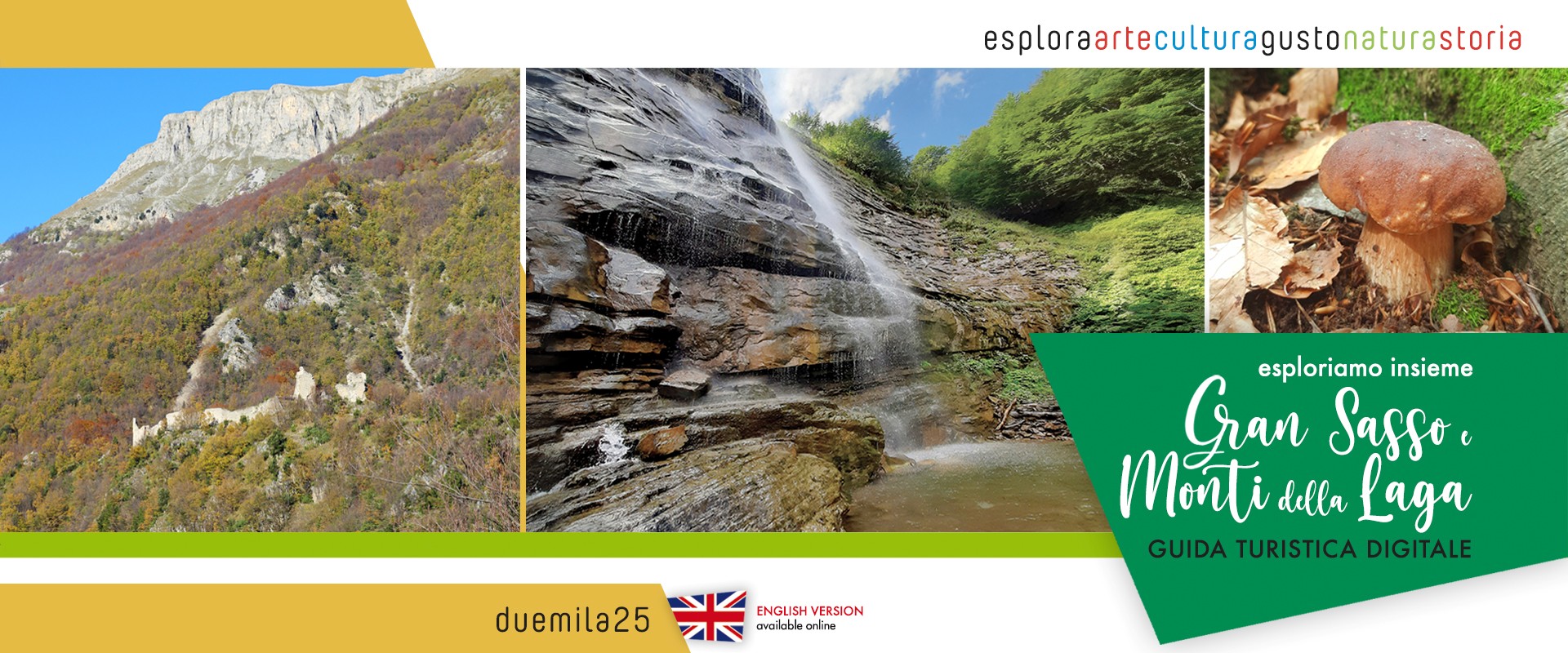

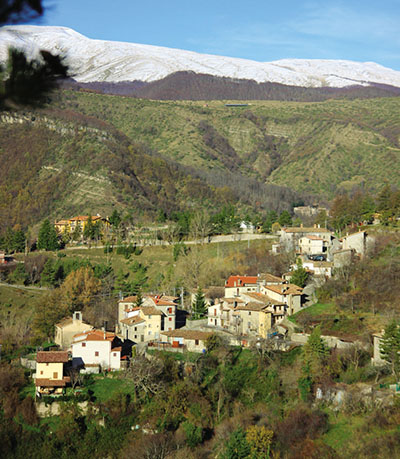
 Crognaleto è un piccolo comune sparso nell’entroterra della provincia di Teramo. Il nome deriva dal termine "crognale", ossia corniolo. Il centro omonimo è sito a 1.105 m di quota, ma la sede municipale si trova nella frazione di Nerito.
Con una popolazione di circa 1.000 abitanti, rappresenta un tipico esempio di borgo montano italiano, caratterizzato da un paesaggio naturale di grande bellezza, una storia che affonda le radici nel passato e una cultura che ancora oggi conserva tradizioni e usanze antiche. Crognaleto si trova nel cuore dell’Appennino abruzzese, a circa 800 metri sul livello del mare, circondato da boschi e montagne che fanno parte del Parco Nazionale del Gran Sasso e Monti della Laga, di cui questo comune rappresenta una delle porte d’accesso principali. Il territorio è prevalentemente montuoso, ricoperto da foreste di faggi, querce e abeti, che durante la primavera e l’estate offrono scenari suggestivi, mentre in inverno il paesaggio innevato incanta con il suo candore brillante. La presenza di numerosi corsi d’acqua, tra cui il fiume Vomano, che scorre nelle vicinanze, contribuisce a rendere l’ambiente circostante ancor più affascinante. La fauna locale è ricca e variegata, con la presenza di cervi, cinghiali, caprioli e numerosi altri animali tipici delle zone montane. Crognaleto rappresenta, dunque, un autentico paradiso per gli amanti della natura, che possono immergersi in un paesaggio incontaminato e praticare numerose attività all’aperto, come il trekking, la mountain bike e il birdwatching.
La storia di Crognaleto è strettamente legata alla sua posizione geografica strategica. Il paese si trova infatti in una zona che ha visto il passaggio e l’insediamento di diverse civiltà nel corso dei secoli. Le sue origini risalgono all’epoca romana, come testimoniano alcuni reperti archeologici rinvenuti nei dintorni, ma il borgo acquisì importanza soprattutto durante il Medioevo, periodo in cui faceva parte della contea di Teramo e venne fortificato per proteggere la popolazione dalle incursioni nemiche. Il castello di Crognaleto, che oggi è quasi del tutto in rovina, rappresenta una testimonianza di quel periodo e simboleggia la difesa del territorio. Costruito su un’altura, aveva una funzione di avvistamento e protezione per l’intero borgo. Nonostante la sua dismissione, il sito mantiene un fascino particolare e costituisce una delle attrazioni turistiche della zona.
 Durante il Rinascimento, Crognaleto subì diverse dominazioni, come quella degli Aragonesi, che determinarono l’espansione del borgo e l’incremento delle attività agricole e artigianali.
Crognaleto ha saputo mantenere nel corso dei secoli un’impronta autentica, fatta di case in pietra, stradine strette e piazzette che raccontano la vita di un tempo. Il centro storico, pur essendo di dimensioni contenute, è molto caratteristico e ospita alcuni edifici di grande valore storico e culturale. La Chiesa di San Giovanni Battista, in frazione Frattoli, la più importante del paese, presenta una struttura in stile romanico-gotico e conserva al suo interno pregevoli opere d’arte, tra cui affreschi e sculture. Citata in documenti fin dal 1324, conserva oggi parte dell’antica struttura, pur essendo il frutto di una importante ristrutturazione seicentesca. Vi si conserva un bellissimo pulpito settecentesco in legno ed un soffitto ligneo a riquadri dipinti con motivi floreali e scene religiose.
 Degna di essere menzionata è la Chiesa della Madonna della Tibia edificata nel 1617, ai piedi di uno sperone di roccia sovrastante l’abitato di Crognaleto. Nel 2019, nel quarto centenario dell’indulgenza, essa è diventata Santuario Diocesano. Ogni anno, il 9 di agosto, si tiene una suggestiva fiaccolata che sale al Santuario, ove una statua lignea della Vergine viene esposta alla venerazione dei fedeli. Questo luogo merita di essere visitato, oltre che per la sua rilevanza religiosa, anche per le sue potenzialità escursionistiche e panoramiche.
Presso la frazione di Tottea, invece, è possibile visitare la Chiesa di San Michele Arcangelo, caratterizzata da una facciata in pietra da cui si erge un campanile a vela che sostiene due campane. Sulla lunetta al di sopra del portale troviamo scolpito l’Arcangelo Michele che uccide il drago. In due nicchie sulle pareti laterali all’interno della Chiesa si trovano le statue lignee settecentesche di una Madonna con Bambino e di San Giovanni Ferreri.
A Cesacastina, invece, a un’altitudine di oltre 1000 metri, si può visitare la chiesa dei Santissimi Pietro e Paolo, che conserva altari barocchi di legno dipinto e dorato e, tra gli arredi, un calice d’argento del 1426, opera di Bartolomeo da Teramo e una croce processionale risalente forse alla fine del Trecento.
Intorno alla località di Piano Vomano, altra frazione di Crognaleto, i visitatori possono percorrere la strada millenaria detta “La Tornara”, lungo la quale si troveranno dei siti archeologici di straordinaria importanza, come Colle del Vento e Colle Santa Lucia, che conservano i resti di un villaggio neolitico di oltre quattromila anni fa, con fondi di capanne, ceramiche dipinte e incise, strumenti in pietra. Sul versante del sito archeologico si innalza uno sperone naturale che guarda la Valle del Vomano, su cui è possibile ammirare i resti di un tempio romano e i ruderi di mura megalitiche realizzate con enormi blocchi di arenaria. Le Mura di Colle del Vento sono un’importante testimonianza storica e architettonica del territorio e facevano parte di un sistema difensivo che proteggeva la popolazione e le risorse locali.
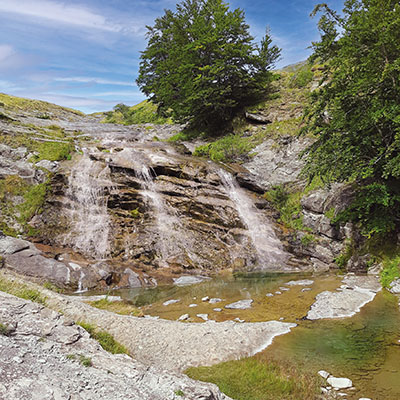 Il territorio di Crognaleto è anche ricco di sentieri che collegano il borgo a luoghi di interesse naturalistico, come il Monte di Mezzo e il Monte Camicia, luoghi ideali per passeggiate e trekking. Sempre nella frazione di Cesacastina, lungo il fosso dell’Acero, potete immergervi nella Valle delle Cento Fonti, con una splendida vista sul Gran Sasso d’Italia. A Tottea potete ammirare le opere in pietra che arricchiscono l’arredo urbano: piccoli e grandi capolavori di artisti che ogni anno partecipano a un concorso ideato per ricordare l’antico artigianato della lavorazione della pietra arenaria su cui sorge il borgo.
Crognaleto è un luogo dove la cultura e le tradizioni locali sono ancora molto vive. La vita quotidiana del paese è scandita da feste, celebrazioni religiose e manifestazioni che coinvolgono tutta la comunità. A Natale, presso la frazione di Nerito, si tiene il caratteristico Fuoco di Natale, nel corso del quale vengono arse circa 10-20 tonnellate di legna, che bruciano dalla notte del 24 dicembre fino alla mattina del 6 gennaio. D’estate, invece, presso l’altopiano di Piano Roseto, ha luogo la Fiera della Pastorizia: una grande esposizione di aziende zootecniche, degustazione e promozione di prodotti tipici che vanta più di 160 edizioni. Nel mese di ottobre a Senarica ricorre la sagra de “Lu Nzite” (‘’Il marrone’’): nei vicoli del paese vengono allestiti stand gastronomici, spettacoli e organizzate mostre di oggetti d’epoca, attrezzi, pizzi e merletti, testimonianze delle antiche tradizioni contadine. Un'occasione da non perdere.
Crognaleto is a small municipality scattered in the hinterland of the province of Teramo. The name derives from the term "crognale", or cornel. The homonymous center is located at 1,105 m above sea level, but the municipal seat is in the hamlet of Nerito.
With a population of about 1,000 inhabitants, it represents a typical example of an Italian mountain village, characterized by a natural landscape of great beauty, a history that has its roots in the past and a culture that still preserves ancient traditions and customs. Crognaleto is located in the heart of the Abruzzo Apennines, about 800 meters above sea level, surrounded by woods and mountains that are part of the Gran Sasso and Monti della Laga National Park, of which this municipality represents one of the main access points. The territory is predominantly mountainous, covered with forests of beech, oak and fir trees, which during the spring and summer offer suggestive scenery, while in winter the snow-covered landscape enchants with its brilliant whiteness. The presence of numerous waterways, including the Vomano river, which flows nearby, helps to make the surrounding environment even more fascinating. The local fauna is rich and varied, with the presence of deer, wild boar, roe deer and numerous other animals typical of mountain areas. Crognaleto is therefore an authentic paradise for nature lovers, who can immerse themselves in an uncontaminated landscape and practice numerous outdoor activities, such as trekking, mountain biking and bird watching.
The history of Crognaleto is closely linked to its strategic geographical position. The town is in fact located in an area that has seen the passage and settlement of various civilizations over the centuries. Its origins date back to Roman times, as evidenced by some archaeological finds discovered in the surrounding area, but the village acquired importance especially during the Middle Ages, a period in which it was part of the county of Teramo and was fortified to protect the population from enemy raids. The castle of Crognaleto, which today is almost entirely in ruins, represents a testimony of that period and symbolizes the defense of the territory. Built on a hill, it had a lookout and protection function for the entire village. Despite its decommissioning, the site maintains a particular charm and is one of the tourist attractions of the area.
During the Renaissance, Crognaleto underwent various dominations, such as that of the Aragonese, which determined the expansion of the village and the increase in activities agricultural and artisanal activities.
Crognaleto has managed to maintain an authentic imprint over the centuries, made up of stone houses, narrow streets and small squares that tell the story of life in the past. The historic center, despite being small in size, is very characteristic and hosts some buildings of great historical and cultural value. The Church of San Giovanni Battista, in the Frattoli hamlet, the most important in the town, has a Romanesque-Gothic style structure and preserves valuable works of art, including frescoes and sculptures. Cited in documents since 1324, it still preserves part of the ancient structure, despite being the result of a major seventeenth-century renovation. It houses a beautiful eighteenth-century wooden pulpit and a wooden ceiling with panels painted with floral motifs and religious scenes.
Worthy of mention is the Church of the Madonna della Tibia built in 1617, at the foot of a rocky spur overlooking the town of Crognaleto. In 2019, on the fourth centenary of the indulgence, it became a Diocesan Sanctuary. Every year, on August 9, a suggestive torchlight procession is held that goes up to the Sanctuary, where a wooden statue of the Virgin is exposed for the veneration of the faithful. This place deserves to be visited, not only for its religious importance, but also for its hiking and panoramic potential.
In the hamlet of Tottea, however, it is possible to visit the Church of San Michele Arcangelo, characterized by a stone facade from which rises a bell gable that supports two bells. On the lunette above the portal we find the Archangel Michael slaying the dragon carved. In two niches on the side walls inside the Church are the eighteenth-century wooden statues of a Madonna with Child and San Giovanni Ferreri.
In Cesacastina, however, at an altitude of over 1000 meters, you can visit the church of Santissimi Pietro e Paolo, which preserves Baroque altars of painted and gilded wood and, among the furnishings, a silver chalice from 1426, the work of Bartolomeo da Teramo and a processional cross dating back perhaps to the end of the fourteenth century.
Around the town of Piano Vomano, another hamlet of Crognaleto, visitors can travel the thousand-year-old road called “La Tornara”, along which there will be archaeological sites of extraordinary importance, such as Colle del Vento and Colle Santa Lucia, which preserve the remains of a Neolithic village from over four thousand years ago, with hut floors, painted and engraved ceramics, stone tools. On the side of the archaeological site there is a natural spur that overlooks the Vomano Valley, on which is you can admire the remains of a Roman temple and the ruins of megalithic walls made with enormous blocks of sandstone. The Walls of Colle del Vento are an important historical and architectural testimony of the territory and were part of a defensive system that protected the population and local resources.
The territory of Crognaleto is also rich in paths that connect the village to places of naturalistic interest, such as Monte di Mezzo and Monte Camicia, ideal places for walking and trekking. Still in the hamlet of Cesacastina, along the Acero ditch, you can immerse yourself in the Valle delle Cento Fonti, with a splendid view of the Gran Sasso d’Italia. In Tottea you can admire the stone works that enrich the street furniture: small and large masterpieces by artists who every year participate in a competition designed to remember the ancient craftsmanship of working the sandstone on which the village stands.
Crognaleto is a place where local culture and traditions are still very much alive. The daily life of the town is marked by festivals, religious celebrations and events that involve the entire community. At Christmas, in the hamlet of Nerito, the characteristic Christmas Fire is held, during which about 10-20 tons of wood are burned, which burn from the night of December 24th until the morning of January 6th. In the summer, however, on the plateau of Piano Roseto, the Pastoral Fair takes place: a large exhibition of livestock companies, tasting and promotion of typical products that boasts more than 160 editions. In the month of October, in Senarica the “Lu Nzite” festival takes place; (‘’The Brown’): in the alleys of the town, food stands, shows and exhibitions of vintage objects, tools, lace and embroidery are set up, evidence of ancient peasant traditions. An opportunity not to be missed.